
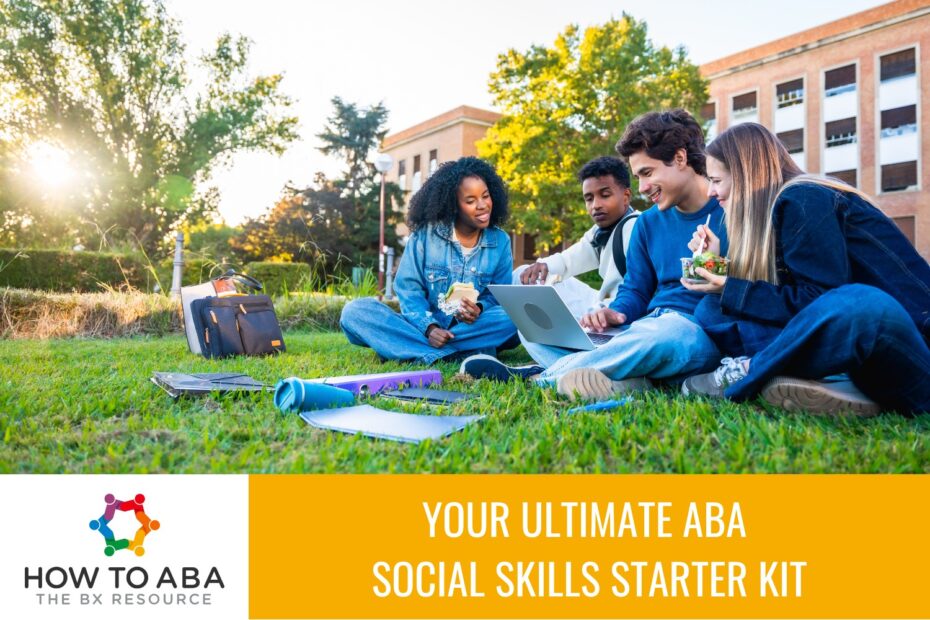
Building social connections is one of the most rewarding – and sometimes most challenging – parts of teaching learners with autism. Social skills are at the heart of friendship, communication, and confidence, but they can be complex to teach because “social skills” mean so many different things. For some learners, it might mean learning how to take turns in a conversation. For others, it might mean practicing ordering at a restaurant or walking beside a friend without running off.
Social growth happens when professionals are equipped with the right tools. That’s why we’ve teamed up with Different Roads to Learning to share the Ultimate Social Skills Starter Kit – a collection of favorite evidence-based resources for assessing, teaching, and reinforcing social skills in a way that’s both structured and fun.
Whether you’re a BCBA, speech-language pathologist, teacher, or parent, these tools can help your learners thrive socially and make meaningful progress.
Step 1: Start with an Assessment
Every successful program begins with understanding where your learner is starting from. When it comes to social skills, assessment is key.
Socially Savvy Assessment
One of our go-to tools is the Socially Savvy Assessment. This comprehensive guide breaks down the complex world of social skills into manageable, observable components. It helps you pinpoint strengths and identify specific areas for growth – everything from simple interactions to more complex social scenarios.
Social Skills Assessment
We also encourage you to check out our Social Skills Assessment, available here at How to ABA. It’s a quick and practical way to gather data, identify social goals, and start planning individualized instruction.
You can also access this assessment as part of our Social Skills Starter Toolkit, a comprehensive, ready-to-use resource that includes assessment tools, intervention guides, data sheets, visuals, home practice materials, and planning supports. It’s designed to help BCBAs, educators, and therapists confidently build and run effective social skills programs with evidence-based, compassionate strategies.
Step 2: Build Engagement with Visuals & Conversation Tools
Once you’ve identified target goals, it’s time to teach – and that’s where hands-on materials really shine.
Social Scenario Cards
We love using social scenario cards. These cards feature realistic stock photography on one side and a short paragraph with discussion questions on the back. They’re perfect for both individual sessions and group settings.
You can have one learner read the scenario aloud while another answers the questions, or guide the discussion yourself if your learner isn’t yet reading. These cards help students recognize social cues, practice responses, and build confidence in their communication.
Photo Pragmatics Cards
Another favorite is photo pragmatics cards. These also use photos paired with prompts to spark conversation about emotions, reactions, and problem-solving – key elements of pragmatic language.
Getting to Know You Cards
To help with introductions and icebreakers, Getting to Know You cards are a must-have. They’re perfect for the beginning of group sessions when learners are still building comfort and rapport. These structured yet engaging activities help students practice the social give-and-take that friendships rely on.
Step 3: Add Structured Curricula for Guided Lessons
Once your learners are ready for more structured instruction, consider layering in a formal curriculum.
Resources like Power Solving Social Skills Curriculum and Social Skills Solutions provide step-by-step lessons for specific social goals. These programs offer clear structure and guidance – but remember, they’re not one-size-fits-all. Every learner’s program should be tailored to their unique needs, preferences, and skill levels.
You can use these curricula as a foundation, then customize them with your learners’ specific targets and reinforcement systems. That’s where your clinical expertise shines – turning a structured lesson into a personalized learning experience.
Step 4: Reinforce & Track Progress
Teaching social skills isn’t just about practicing – it’s also about recognizing and celebrating progress.
Something as simple as a tally counter can make data collection easy. Use it to track social interactions, peer requests, or successful responses during sessions. Keeping accurate data helps you make informed decisions and ensures your interventions are effective.
And don’t forget about reinforcement! Whether it’s verbal praise, tokens, or favorite activities, consistent reinforcement strengthens social learning and makes practice enjoyable.
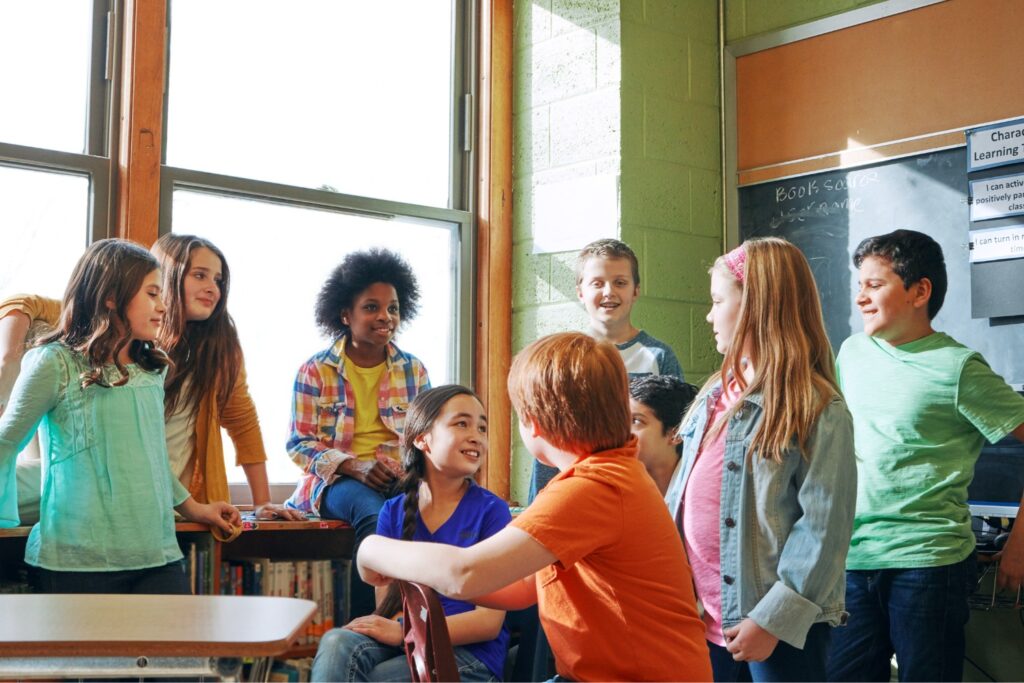
Step 5: Go Beyond the Lesson with Real-Life Practice
The best social learning happens when we bridge the gap between structured lessons and real-world use.
Natural Environment Teaching
Pair your structured materials – like cards or books – with natural environment teaching (NET) opportunities. Model skills during playtime, peer interactions, or community outings, and provide immediate feedback and reinforcement. For example, after practicing greeting a peer with a flashcard, prompt your learner to use that greeting during a group activity.
ABA Books for Social Skills
Books like The Kindness Detective make it easy to extend lessons into natural environments. This engaging resource helps teach empathy and perspective-taking – key skills for building friendships. You can use it one-on-one or in small groups to discuss kindness and how our actions affect others.
Another great resource is Smile and Succeed for Teens, which focuses on real-world social skills such as internet safety, digital etiquette, and confidence in social settings – perfect for older learners preparing for greater independence.
While social stories alone don’t change behavior, they’re fantastic tools for preparing learners for upcoming situations. For instance, you can read a social story about visiting the dentist, then role-play what that visit might look like.
Step 6: Keep It Individualized & Age-Appropriate
There’s no “cookie-cutter” social skills program. Every learner is unique, and their social goals should reflect that. Layer resources, mix approaches, and adapt lessons to make them age-appropriate and relevant.
The goal isn’t just to complete a curriculum – it’s to build confidence and independence that lasts beyond the session.
And don’t forget to check out our Social Skills Starter Toolkit, a comprehensive, ready-to-use resource that includes assessment tools, intervention guides, data sheets, visuals, home practice materials, and planning supports. It’s designed to help BCBAs, educators, and therapists confidently build and run effective social skills programs with evidence-based, compassionate strategies.
Whether you’re just getting started or looking to refresh your materials, this Social Skills Starter Kit has everything you need to assess, teach, and reinforce social growth.
Visit Different Roads to Learning to find all the tools mentioned here and start building your own kit today. And don’t forget – you can download our free Social Skills Assessment to help you pinpoint goals and start teaching with confidence.
Because with the right tools, every child can learn to connect, communicate, and thrive.