
In ABA, the goal is to create supportive, individualized interventions that promote meaningful change. Yet, even the most well-intentioned Behavior Intervention Plan (BIP) can be influenced by unrecognized personal or systemic bias. Even with the best intentions, bias can sneak in and affect how we approach and support behavior. One of the most sneaky (and sometimes invisible) influences? Implicit bias.
Implicit bias happens unconsciously. It’s those automatic thoughts and assumptions we might hold based on things like race, culture, gender, or disability. And while we don’t mean for these biases to creep into our work, they can, especially when we’re designing interventions like BIPs.
The good news? With a little reflection and effort, we can catch these biases and ensure we’re creating plans that are ethical, effective, and fair. Here’s how to spot and address implicit bias, so your BIPs can truly serve every child.
What is Implicit Bias?
Implicit bias includes the thoughts you didn’t realize crossed your mind. It’s those unconscious beliefs or stereotypes we hold about people based on their background, abilities, or looks. These biases often show up without us even knowing.
For example, you might unintentionally expect different behaviors from different students based on their culture. Or you could assume a child’s reluctance to talk in a group setting means they’re noncompliant, when it’s actually rooted in their cultural norm of showing humility.
When it comes to education and ABA, implicit bias can show up in how we:
- Interpret behavior (e.g., seeing defiance instead of misunderstanding)
- Discipline students (e.g., harsher consequences for some behaviors or groups)
- Set expectations (e.g., unknowingly lowering or raising standards)
This isn’t a guilt trip; it’s about awareness. The more we reflect, the better we can ensure our BIPs are designed fairly and thoughtfully.
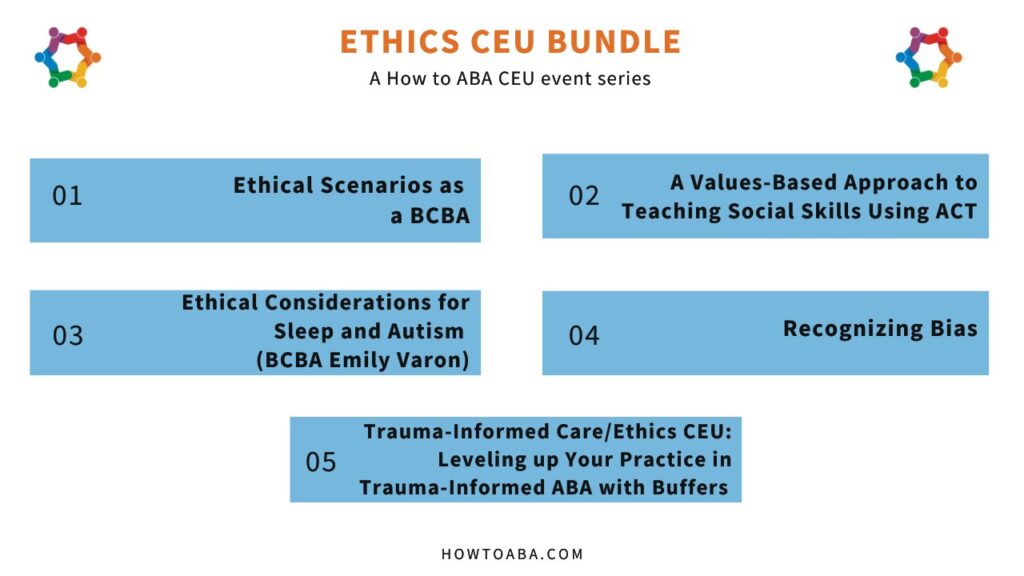
Recognizing and addressing implicit bias is essential for creating Behavior Intervention Plans that truly serve each individual. Our Ethics Bundle –including Recognizing Bias – helps you strengthen your ethical practice and build more equitable interventions. Check it out here.
Where Could Bias Sneak into BIPs?
Bias can influence BIPs in a few subtle ways. Identifying where this might happen is the first step toward creating better plans.
Defining Challenging Behaviors
Before we even write the plan, we need to define the behavior clearly. But bias can sneak in here. Sometimes, we might label a behavior as “aggressive” or “noncompliant” without realizing it could be a communication style or even sensory-related behavior tied to a student’s unique needs or culture.
Setting Goals & Strategies
Bias can affect the goals we set or how restrictive our interventions are. For example, are we overusing strategies like removal or exclusion for certain students? Or are we assuming a behavior has a specific function (like “attention-seeking”) without looking deeper?
Collecting Data
Even data collection isn’t immune! If we go into a situation expecting to see certain behaviors based on our prior assumptions, it can affect how we observe and interpret what’s happening.
5 Common Types of Bias in the Classroom
To address bias in behavior support, it helps to recognize some of the most common types of bias educators and therapists encounter.
Racial & Ethnic Bias
Studies show that black and brown students are more likely to receive harsher punishments for the same behavior as white students. This can lead to overly restrictive plans that don’t support the child’s needs.
Disability Bias
Sometimes, implicit bias leads us to underestimate students with disabilities, focusing more on “managing” behavior than fostering independence and skills.
Gender Bias
Ever notice how boys are often referred for behavioral challenges, while girls are sometimes labeled as “too sensitive”? Gender expectations can unwittingly shape how we interpret and support behavior.
Socioeconomic Bias
Assuming a child from a low-income background lacks support at home—or viewing certain adaptive behaviors (like assertiveness) as problematic—can quietly shape our interventions, too.
Cultural & Linguistic Bias
A child’s culture or primary language might affect how they communicate or interact. For example, a lack of eye contact in some cultures is a sign of respect. But if we see it through our own cultural lens, it might be misinterpreted as defiance.

How to Address Implicit Bias
Now that we know how bias can creep into our work, what can we do about it? Here are six practical steps to make sure your BIPs are fair, equitable, and supportive.
1. Reflect On Your Own Assumptions
Start with a little self-check. Ask yourself questions like:
- Are there certain behaviors that frustrate me more than others?
- Do I react differently to students based on their background?
- Am I interpreting behavior based on my own cultural norms?
2. Stick to Neutral, Observable Language
When describing behavior, avoid words like “lazy” or “manipulative.” These are loaded terms that reflect opinion, not fact. Instead, get specific and objective.
For example, write, “The student left their seat twice during math instruction,” instead of, “The student was disruptive.” Neutral language keeps the focus on behavior, not assumptions.
3. Conduct a Thorough Functional Behavior Assessment (FBA)
A good Functional Behavior Assessment is key to any BIP, and it’s also a way to minimize bias. Ensure your assessment includes input from caregivers, teachers, and – when possible – the student. Look at the environment, cultural norms, and home dynamics, too.
Instead of rushing to assign a function, collect data across different settings and situations. A comprehensive FBA reduces the likelihood of jumping to biased conclusions.
4. Build Partnerships with Families
Families know their child best. Ask for their insight about behavior, communication styles, and cultural norms at home. Questions like, “Can you help me understand how this might be handled in your family?” can be a game-changer. Partnering with families creates a collaborative, culturally responsive plan.
5. Keep an Eye on Your Own Data
Review trends in your practice. Are certain groups of students being referred for more restrictive plans? Are outcomes equitable across behavior interventions? Transparency and self-monitoring help catch patterns of bias before they become a problem.
6. Lead with Strengths
Shift from “fixing” behavior to understanding and supporting the whole child. Build interventions that align with their interests, values, and inherent strengths. Whether it’s incorporating art, movement, or cultural practices, making the plan meaningful increases both engagement and success.
Recognizing and addressing implicit bias is essential for creating Behavior Intervention Plans that truly serve each individual. Our Ethics Bundle –including Recognizing Bias – helps you strengthen your ethical practice and build more equitable interventions. Check it out here.
Implicit bias might feel like a tough topic to tackle, but it’s worth it because the more we grow, the better we can support our students. Recognizing bias isn’t about assigning blame. It’s about making sure every child feels seen, understood, and cared for.
By reflecting on our own assumptions, collaborating with families, and writing thoughtful, data-driven plans, we can create interventions that empower every student to reach their potential.